





Order System Refactor
<!--
Work info
-->
Role:
UI/UX Design
Year:
2025
Project Overview
Order entry is the heartbeat of the operation — every department downstream depends on it. But after 15 years of patches, workarounds, and stacked logic, the system had become a liability. Three or four themes were colliding in the UI. CSRs were spending upwards of 40 minutes entering a single order. Quick phone estimates were impossible — everything had to go through email with a 1–2 business day turnaround. And as the customer base grew, a critical flaw became impossible to ignore: artwork was applied at the order level, not the line item level, causing production errors that were hard to trace and harder to prevent.
My Approach
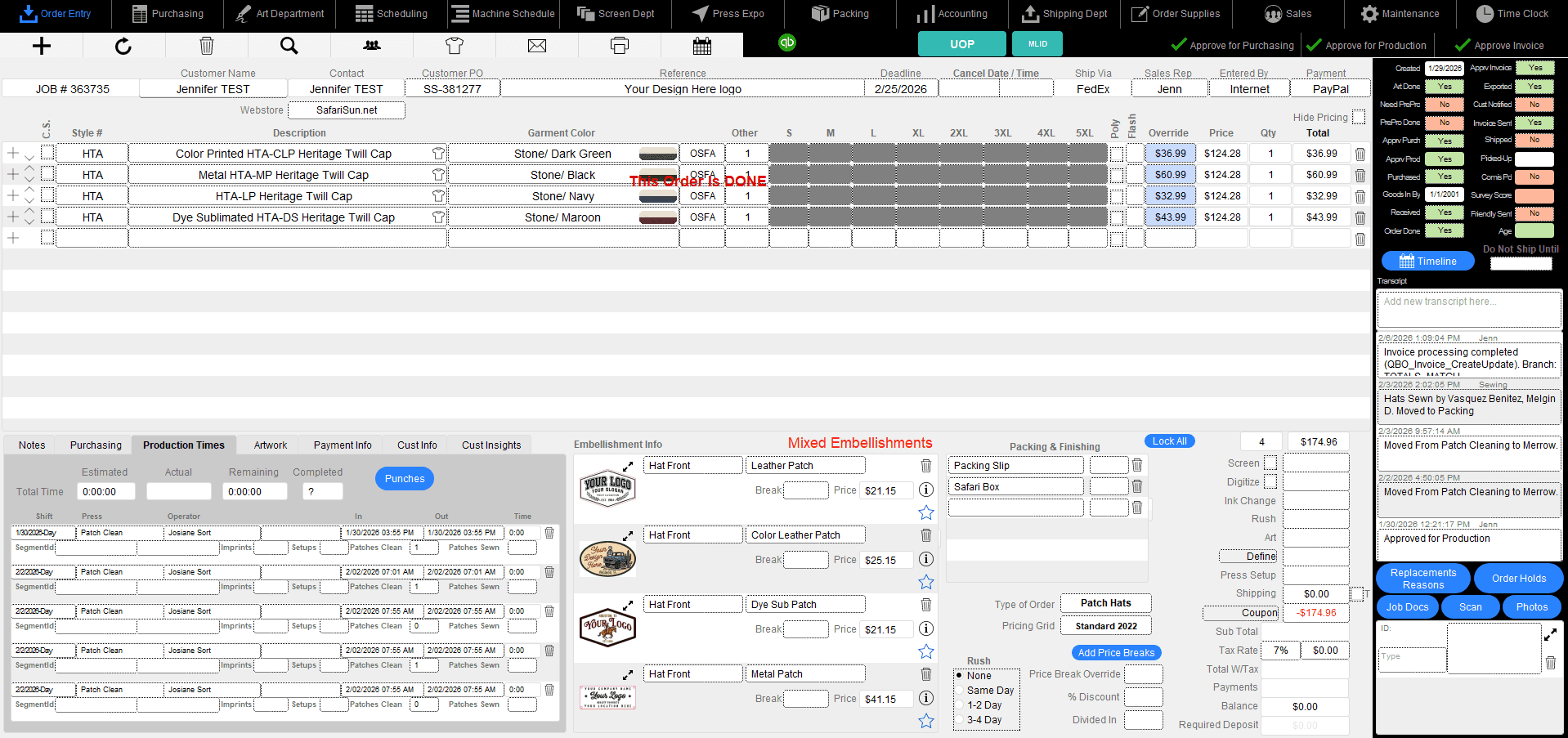
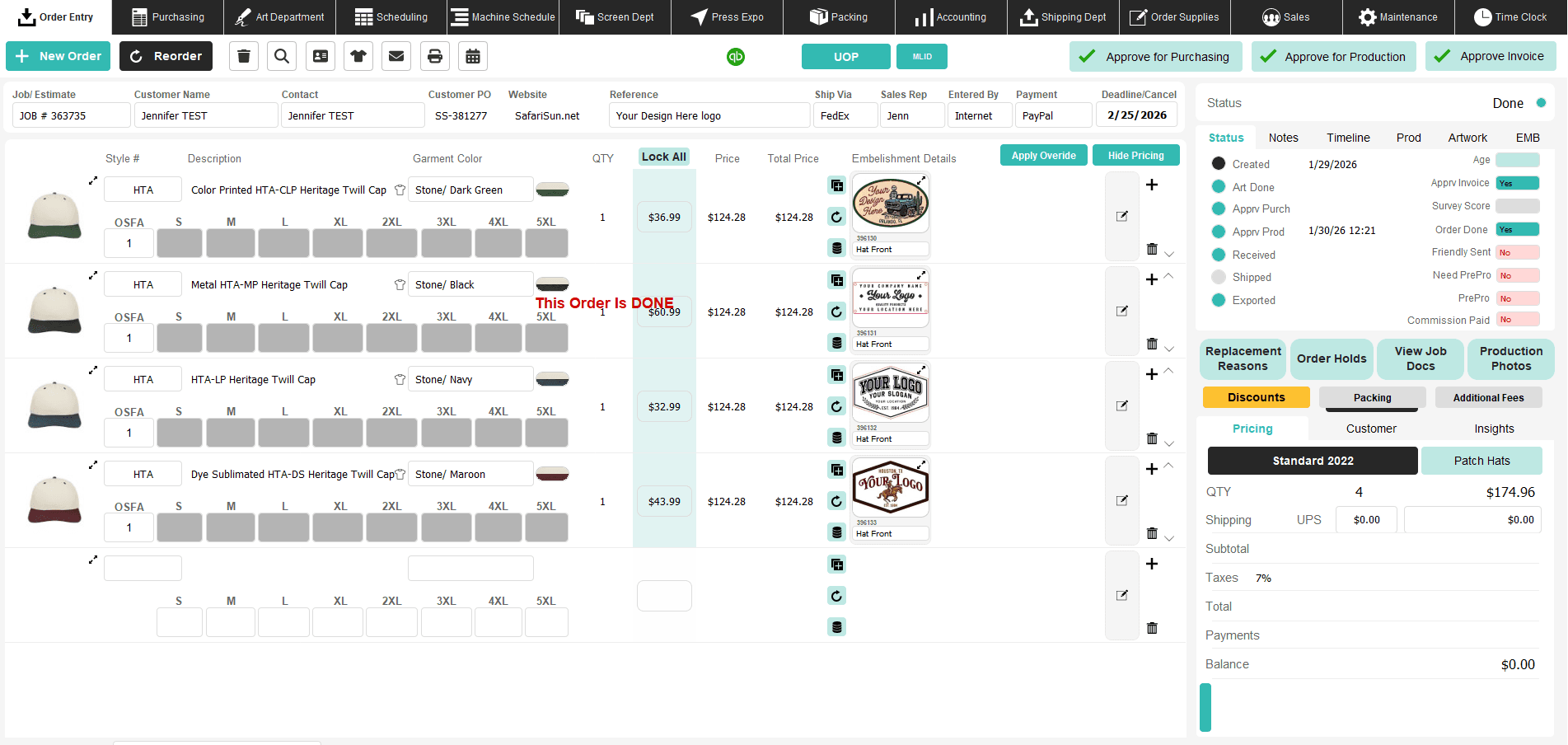
I went in and gutted it. Starting component by component, I stripped out everything that didn't need to be there and rebuilt from a clean foundation — designing and implementing an entirely new FileMaker theme from scratch. This wasn't a reskin. Every field, every layout, every piece of logic was evaluated: keep it, kill it, or finally fix it.
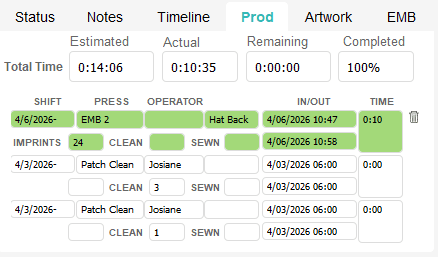
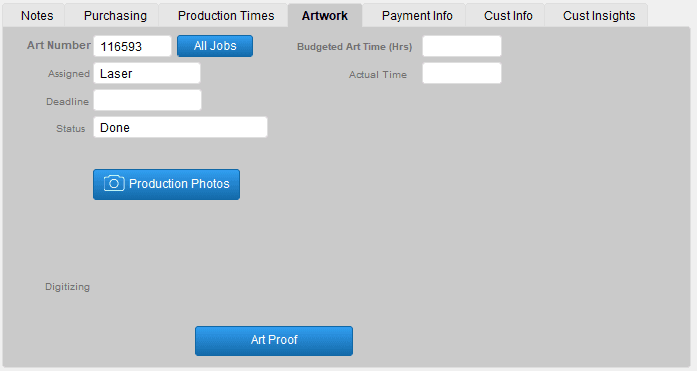
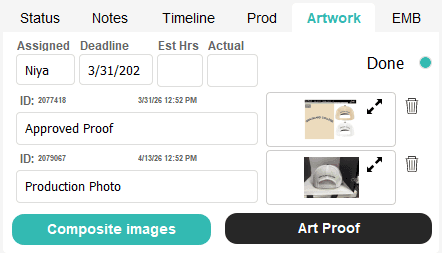
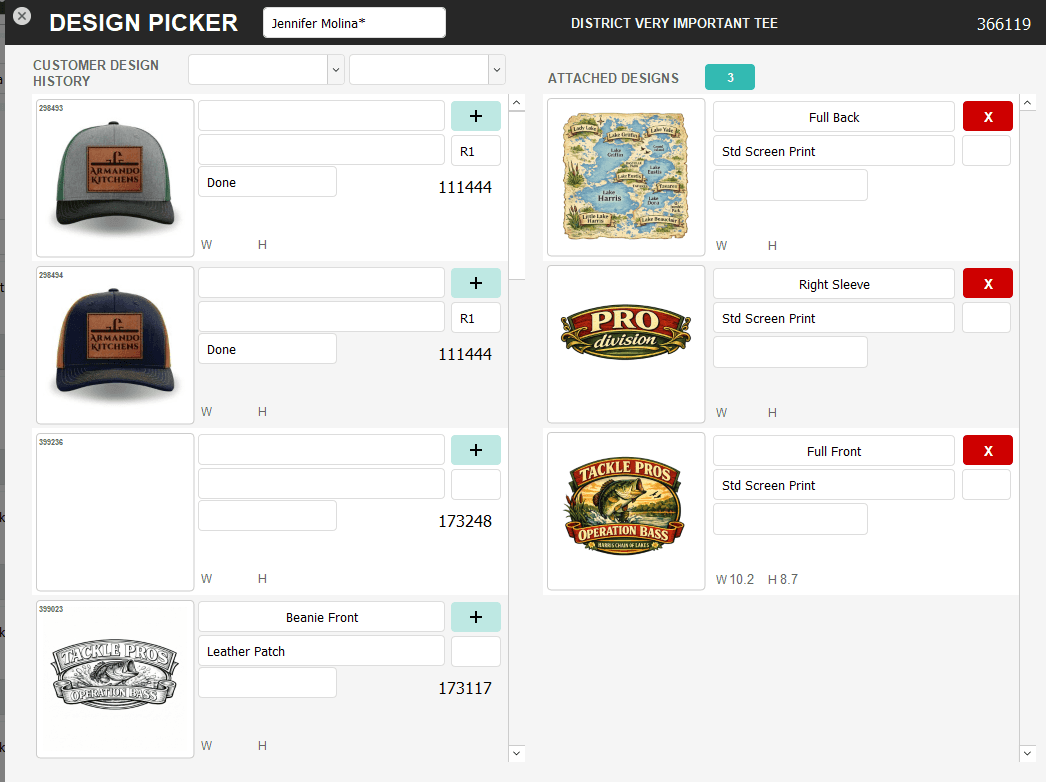
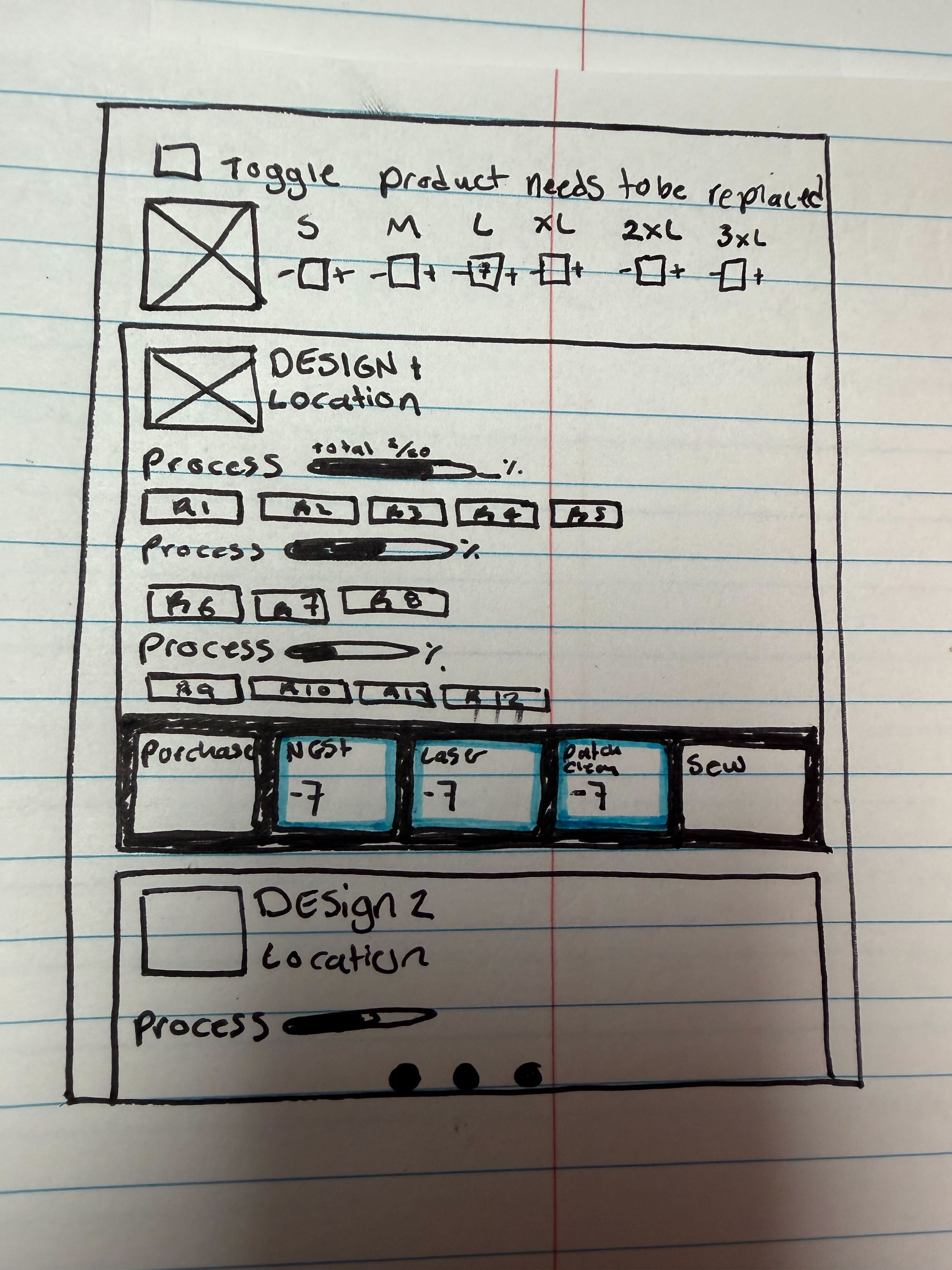
The refactor had two core goals. First, slim the system down so users could move fast and intuitively — fewer clicks, cleaner layout, no visual noise. Second, shift artwork and specifications to the line item level, giving CSRs and production staff true visibility into exactly which item needed which design.
The legacy logic required more than solo work. For deeply burned-in patches and complex execution decisions, I coordinated team brainstorms to surface dependencies, align on approach, and delegate the right pieces. I led the architecture and front end throughout — the team came together for the hard calls.
Key Features
Full FileMaker theme redesign — clean, unified, purpose-built
Line-item level artwork and spec assignment
Streamlined field structure — only what's needed, nothing that isn't
Intuitive UI that reduced onboarding time for new CSRs
Foundation for real-time phone estimates during customer calls
Impact
Average order entry time dropped from 20 minutes to 5. Order accuracy hit 100% post-launch. New hires ramp faster because the system now guides users naturally — the right buttons are obvious, the workflow makes sense. And for the first time, the business could give customers a real-time estimate over the phone instead of making them wait days for an email.
Five to seven months. One gutted legacy system. One clean rebuild that the entire company runs on.